
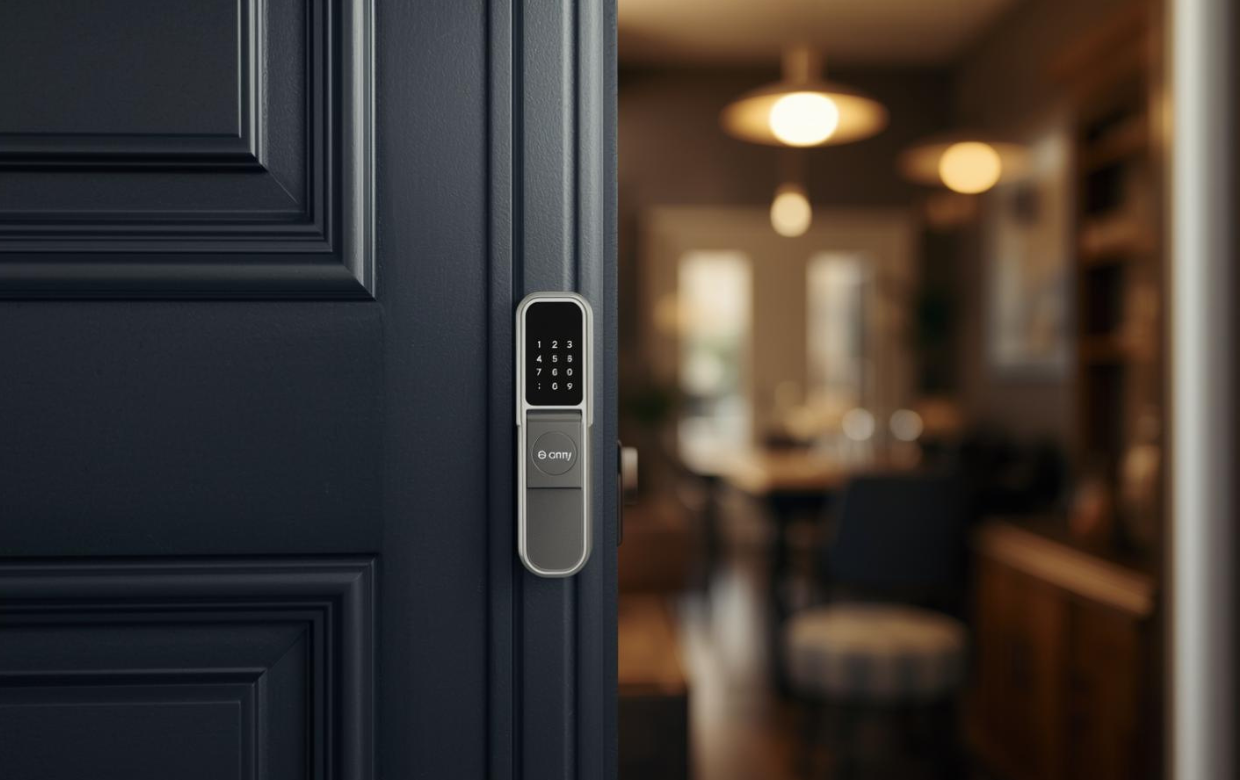
Physical locks are the first barrier against intrusion, but modern residential security relies on detection and response. Home alarm systems provide real-time alerts, deterrence, and added protection when doors or windows are compromised.
A properly selected alarm system reduces the risk of unauthorized entry and increases response speed during security incidents.
Types of Home Alarm Systems for Residential Properties
Alarm systems vary in structure, monitoring, and integration. Choosing the right option depends on lifestyle, property layout, and security priorities.
Wired Alarm Systems
Wired alarms connect sensors directly to a control panel through physical cabling. These systems offer high reliability and are not affected by wireless interference.
They are commonly installed in new constructions or properties undergoing renovation.
Wireless Alarm Systems
Wireless systems use radio signals and battery-powered sensors. Installation is faster and less invasive, making them ideal for existing homes or rental properties.
Sensors can be expanded or repositioned as security needs change.
Monitored vs Unmonitored Alarms
Monitored alarms notify a security center when triggered, allowing for emergency dispatch if required. Unmonitored systems rely on audible alerts to deter intruders and alert occupants or neighbors.
Each option offers different levels of response and cost.
-
Wired and wireless configurations
-
Professional monitoring or self-alert systems
-
Integration with cameras and smart devices
Smart Alarm Integration With Home Access Points
Smart alarm systems connect with mobile apps, allowing homeowners to receive alerts and control sensors remotely. When combined with smart locks, alarms can automatically arm or disarm based on door activity.
This integration improves visibility and control over home access without relying solely on physical keys.
Alarm Systems as Part of Layered Security
An alarm system performs best when paired with high-quality locks, reinforced doors, and proper lighting. Alarms detect and alert, while locks delay entry—together creating a stronger defense.
Professional locksmiths often assess door and lock conditions before alarm installation to ensure sensors align correctly with entry points.